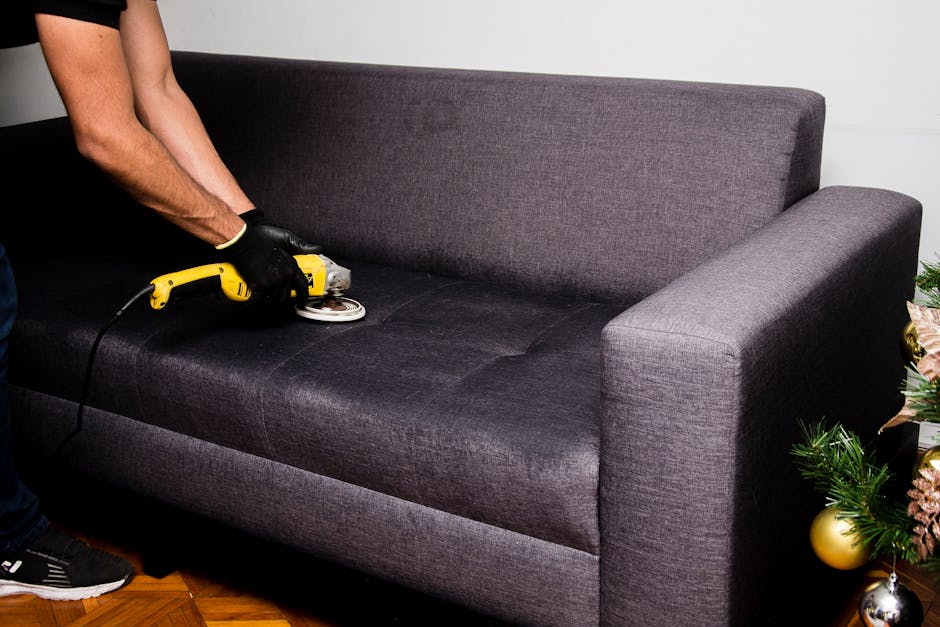
Brondesbury Park Upholstery Cleaning Before and After Case Study
If you have ever looked at a tired sofa or dining chair and wondered whether it is worth cleaning instead of replacing, you are in the right place. This Brondesbury Park upholstery cleaning before and after case study breaks down what a professional clean can realistically do, what it cannot do, and how to judge the difference with clear eyes rather than wishful thinking. In a local home, especially one with busy family life, pets, or the occasional spill that just sits there and stares back at you, upholstery can go from "fine" to "why is it that colour?" surprisingly fast.
Here, we will walk through the logic behind a proper before-and-after comparison, the cleaning process, the kinds of improvements people usually notice, and the mistakes that can make results look underwhelming. You will also find a practical checklist, a comparison table, and a simple framework for deciding whether to refresh, protect, or replace your furniture. No fluff. Just the useful stuff.
Why Brondesbury Park upholstery cleaning before and after case study Matters
Before-and-after content works because it answers the question most people actually have: what difference will I really see? That matters a lot with upholstery cleaning. A sofa does not just get dirty in one dramatic event; it usually gathers a bit of everything over time. Skin oils, dust, drink marks, pet hair, food crumbs, and the lovely mystery patch from six months ago all build up slowly. You stop seeing it. Then one day the room feels dull, and the upholstery looks older than it is.
A good case study helps reset expectations. It shows the reader that upholstery cleaning is not magic, but it is often far more effective than people assume. In Brondesbury Park, where homes range from compact flats to family houses and shared spaces, that matters because furniture has to work hard. A clear case study also helps you compare professional cleaning with a DIY attempt, which, to be fair, is often where people learn the hard way that a supermarket spray and a damp cloth are not a restoration plan.
It also builds trust. People want to know if the cleaner understands fibre types, stain risks, drying times, and how to avoid overwetting. That is where a proper before-and-after review is useful: it shows process, judgement, and restraint, not just a polished finished photo.
Expert summary: The best upholstery cleaning results are usually measured by what changes subtly and sustainably: colour brightening, stain reduction, odour improvement, and a fresher feel under normal light, not just on camera.
How Brondesbury Park upholstery cleaning before and after case study Works
At its core, a before-and-after upholstery cleaning case study follows a simple pattern: inspect, test, clean, extract, dry, and review. But the details matter, because furniture fabrics are not all the same. A wool-blend armchair, a synthetic two-seater, and a delicate linen-look fabric can all require different approaches. If a cleaner treats them all identically, the result can be patchy or, worse, damaged.
Usually, the process starts with an inspection of the fabric, seams, cushions, and stain types. This step helps identify any colour loss, wear, or previous spot-cleaning marks. Then the cleaner will test a small hidden area to check how the fabric reacts. That may sound cautious, but it is exactly the kind of cautious you want.
Once the fabric is assessed, the cleaning method is chosen. In many homes, hot water extraction or low-moisture upholstery cleaning is used, depending on the material and the level of soiling. The cleaner will pre-treat marks, agitate where needed, and then remove loosened dirt with controlled extraction. The aim is not to soak the furniture. The aim is to lift contamination out of the fibres without leaving the filling damp for too long.
After cleaning comes drying and final grooming. This stage is easy to overlook, yet it changes the final appearance more than most people expect. A brushed, evenly dried sofa simply looks better. The pile sits more neatly, the surface reflects light more evenly, and the whole piece feels looked after rather than merely wet.
For a trustworthy comparison, the before photos should be taken in consistent light and from similar angles as the after photos. Sounds obvious, right? Yet poor photo discipline is one of the fastest ways to make a perfectly good clean look underwhelming.
Key Benefits and Practical Advantages
There are several reasons people choose upholstery cleaning instead of replacing furniture, and not all of them are about appearance. The most obvious benefit is visual improvement. Stains fade, colours look more even, and the room feels lighter. That first glance when you walk in and think, "Oh, that actually looks decent again," is a real thing.
But there are practical gains too:
- Better everyday comfort: Clean upholstery feels fresher to sit on, especially for frequently used sofas and chairs.
- Improved hygiene: Dirt, dust, and residue are removed rather than spread around by casual wiping.
- Odour reduction: Old smells from spills, pets, and daily use can be reduced significantly.
- Longer furniture life: Removing abrasive grit and grime helps fabrics wear more slowly.
- Better room presentation: This matters if you host guests, rent out a property, or simply want your home to feel in order.
Another advantage is cost control. If a sofa frame is sound and the fabric is repairable, cleaning can delay replacement by a good margin. That is particularly helpful when you are weighing furniture replacement against routine upkeep. For many households, a refresh is the sensible middle route.
There is also a nice emotional side to it. People often underestimate how much a clean sofa changes the mood of a room. The space feels calmer. Less cluttered, somehow. A bit more yours again.
Who This Is For and When It Makes Sense
This kind of cleaning makes sense for anyone whose upholstery looks tired but is still structurally sound. That includes households with children, pet owners, landlords preparing a property, tenants looking to leave a place in good shape, and homeowners who simply want to make the most of what they already own.
It is especially useful if you notice any of the following:
- darkening on armrests or seat fronts
- food or drink marks that keep reappearing after spot cleaning
- pet odours or damp smells
- flattened, matted-looking fabric
- dusty or dull patches on frequently used areas
- a mismatch between the sofa's original colour and what you see now
It may also make sense if you are trying to prepare a home for sale, improve a rental presentation, or revive a favourite piece that is otherwise still comfortable. On the other hand, if the fabric is badly torn, the cushion filling has failed, or there is severe dye loss, cleaning alone will not solve everything. That is where honest advice matters more than a sales pitch.
Truth be told, some furniture is worth saving and some is just... done. A good technician should be able to tell you which is which.
Step-by-Step Guidance
If you want to understand the process properly, it helps to look at it as a sequence rather than a mystery. Here is the practical version.
- Assess the furniture. Check the fabric type, identify visible stains, and note any weak seams or worn areas.
- Take clear before photos. Use natural light if possible and capture full furniture shots plus close-ups of problem areas.
- Test the fabric. A small inconspicuous test area helps protect against colour bleed or texture change.
- Pre-treat stains. Spot treatment targets food marks, drink stains, grease, or pet-related contamination before the main clean.
- Clean with the right method. The chosen process should suit the upholstery rather than force the upholstery to suit the process.
- Extract soil and moisture carefully. This is the stage that separates a proper clean from a soggy disappointment.
- Allow controlled drying. Good airflow helps, but avoid heat that is too aggressive unless the fabric can handle it.
- Review under similar lighting. Compare before and after conditions honestly, ideally at the same time of day.
A lot of the quality lives in the in-between steps. For example, a well-dosed pre-treatment can make a stubborn mark look far better, but if the surface is then rushed, the benefit is lost. The same is true of drying. The final appearance can still improve as the fabric settles, so a final judgement should not be made the minute the upholstery feels merely "less wet".
Expert Tips for Better Results
In our experience, the best upholstery results usually come from small, sensible decisions rather than dramatic ones. Here are the habits that make a visible difference.
- Do not oversaturate the fabric. More water does not equal more cleaning. It often means slower drying and a greater chance of residue.
- Match the method to the fibre. Microfibre, wool, cotton blends, and synthetic fabrics each react differently.
- Address stains early. The older a mark is, the more it can bind to the fibre. Waiting rarely helps.
- Vacuum first. Loose dirt can turn into sludge if it is skipped. Not glamorous, but important.
- Keep the room ventilated. A bit of airflow helps more than people think, especially in warmer months.
- Ask for realistic expectations. Some stains lighten; some disappear; some remain faint. That honesty is a good sign.
If you are documenting a before-and-after result for your own records, keep the photos boringly consistent. Same angle. Same room light. Same distance. It is not fancy, but it works.
And one more thing: if a sofa smells better but still looks slightly uneven when damp, wait until it is fully dry before judging. Upholstery can be a bit dramatic in the middle of the process.
Common Mistakes to Avoid
The most common mistake is trying to rush the outcome. Upholstery cleaning is one of those jobs where impatience creates extra work. People spot-treat a patch, rub too hard, and then create a faded halo around the original stain. Or they use too much detergent, which leaves residue that attracts dirt again later. Annoying, yes. Also very common.
Other mistakes include:
- Scrubbing aggressively: This can damage fibres and spread the stain.
- Using the wrong cleaner: Not every fabric tolerates the same product.
- Ignoring hidden areas: The back, sides, and cushion seams often reveal the true level of grime.
- Judging too early: Damp upholstery almost never looks finished.
- Skipping proper extraction: Leftover moisture and detergent can cause recurring issues.
Another easy mistake is assuming all "before and after" photos tell the full story. Some are taken in better light, some are angled to flatter the result, and some do not show the worst areas at all. The better approach is to ask what was actually cleaned, what method was used, and whether the furniture was fully dry at the time of the after shot.
That is where a little scepticism is healthy. Not cynical. Just sensible.
Tools, Resources and Recommendations
You do not need a warehouse of equipment to understand or evaluate upholstery cleaning, but a few tools and resources make the job easier to assess. At the most basic level, you want a vacuum with upholstery attachments, microfiber cloths, a gentle fabric-safe cleaner for small spots, and decent lighting for inspection. A handheld brush can also help lift pre-treated soil before extraction.
For a professional clean, the important "resources" are not just machines. They include knowledge of fabric types, stain chemistry, fibre sensitivity, and safe drying practices. That is why choosing a provider with clear service information matters. If you are comparing options, it can help to look at broader service pages like upholstery cleaning, or related treatments such as sofa cleaning and stain removal when the issue is more specific than general soiling.
If the problem is tied to pets, it is worth considering how odour and residue can travel deeper into the fabric. In those cases, pet stain odour removal may be relevant alongside the main upholstery clean. And if you are juggling furniture, curtains, or carpets at the same time, coordinating with services such as curtain cleaning or carpet cleaning can make the whole room feel refreshed rather than half-done.
On the business and customer-service side, useful pages like pricing and quotes, terms and conditions, and insurance and safety can help you check expectations before booking. That is not exciting reading, granted, but it does matter.
Law, Compliance, Standards, or Best Practice
For upholstery cleaning in the UK, the main thing is not to pretend there is a dramatic legal framework hidden behind every sofa. There usually is not. What matters more is sensible best practice: using suitable products, working safely, protecting property, and being honest about what can and cannot be cleaned successfully.
Good operators should have clear procedures for health and safety, insurance, complaints handling, and customer data handling. If you want a sense of the standards a professional business should take seriously, pages such as health and safety policy, complaints procedure, and privacy policy are worth reviewing. They are not glamorous, but they tell you a lot about how a company operates behind the scenes.
Environmental awareness also matters. Upholstery cleaning can involve wastewater, packaging, and product use, so a considered approach to recycling and sustainability is a sensible sign of modern best practice. Likewise, if access or communication needs matter to you, a clear accessibility statement can help show that the business is thinking beyond the narrow job itself.
One practical note: before-and-after claims should be fair. A clean should be represented accurately, without exaggeration. That is basic honesty, really, and it helps everyone.
Options, Methods, or Comparison Table
Not every upholstery job needs the same approach. The right method depends on fabric, staining, odour, and how quickly the furniture needs to be back in use. Here is a simple comparison to make the decision easier.
| Method | Best for | Strengths | Limitations |
|---|---|---|---|
| Basic spot cleaning | Small fresh marks | Fast and low-cost | Often leaves halos or misses deeper soil |
| Low-moisture upholstery cleaning | Delicate fabrics or lighter soiling | Shorter drying time, less saturation | May not fully remove heavy embedded dirt |
| Hot water extraction | Heavily used sofas and chairs | Strong soil removal, good deep clean | Needs careful moisture control and drying |
| Odour-focused treatment | Pet smells, stale indoor odours | Targets smell at source | May need to be combined with general cleaning |
If the upholstery has a mix of issues, a combined approach usually works best. For example, a sofa with visible drink marks, dulling, and dog odour may need pre-treatment, deep cleaning, and a separate odour strategy rather than one blanket treatment. That is why a blanket "one size fits all" promise is usually a warning sign.
For textured textiles or matching room refreshes, some readers also look at rug cleaning or mattress cleaning as part of a broader home reset. Same principle, different surface.
Case Study or Real-World Example
Here is a realistic example of how a Brondesbury Park upholstery cleaning before and after case study might unfold in a normal home. A well-used fabric sofa had darkened seat areas, a few faint spill marks on one arm, and a general "lived-in" look that had crept up over time. Nothing dramatic. Just the sort of thing you stop noticing until a visitor sits down and says, "You know, that sofa could do with a proper clean." Mildly rude. Also useful.
The first step was a fabric check and a small test area. That matters because what looks like a simple synthetic sofa can sometimes have a blend or finish that behaves differently around water and detergent. After that, the visible marks were pre-treated. The arm stain needed a little more attention than the rest, while the seat areas responded better to an even clean across the panel.
After extraction, the most immediate change was not just the look but the feel. The fabric no longer had that slightly sticky, dust-trapping surface. By the next day, the sofa looked brighter under daylight, and the colour on the seat areas had more balance. The arm mark did not disappear completely, but it was reduced enough that you had to look for it rather than notice it instantly. That is often the honest outcome with older staining: cleaner, fresher, much improved, but not magically erased.
The before photo showed uneven darkening and a tired overall tone. The after photo showed a lighter, more uniform finish, with the upholstery pile standing more neatly and the room itself feeling less heavy. Small change, big impact. Funny how that works.
In a second, shorter example, a set of dining chairs with food residue and light odour responded especially well to careful cleaning because the issue was largely surface-based rather than fibre damage. That is a good reminder that the best results often come from timing. The sooner a stain or smell is treated, the better the before-and-after story usually is.
Practical Checklist
Use this simple checklist before booking or carrying out upholstery cleaning:
- Identify the fabric type if you can.
- Look for labels, care tags, or any previous cleaning notes.
- Photograph the problem areas in good light.
- Check whether stains are fresh, old, oily, or water-based.
- Vacuum loose debris before any wet cleaning.
- Test any cleaner on a hidden area first.
- Expect different results for stains, odour, and overall brightness.
- Allow enough drying time before using the furniture normally again.
- Review the finished result under similar lighting to the before photo.
- Ask about aftercare if you want the finish to last longer.
If you are comparing providers, it can also help to look at service transparency, payment information, and customer process pages such as payment and security and about us. A business that explains itself clearly tends to handle the actual cleaning more carefully too. Not always, but often enough to matter.
Conclusion
A good Brondesbury Park upholstery cleaning before and after case study is not just about dramatic photos. It is about showing what changes, why it changes, and what sensible expectations should look like. The real value is in clarity: knowing whether the sofa is truly refreshed, whether a stain has been reduced rather than erased, and whether the result justifies the time and cost.
For most people, that clarity is what turns a maybe into a yes. If your furniture is structurally sound but looking tired, a professional upholstery clean can bring back comfort, colour, and confidence in the room without the expense of replacing everything. And if the marks are too far gone, at least you will know that honestly rather than guessing.
Get a free quote today and see how much you can save.
Sometimes the best home improvements are the quiet ones. A cleaner sofa, a fresher room, and one less thing nagging at the back of your mind. That is a decent win.
Frequently Asked Questions
What should I expect from a Brondesbury Park upholstery cleaning before and after case study?
You should expect a realistic comparison showing visible improvement, not perfection. The best case studies explain what was cleaned, what improved, and what remained faintly visible.
Can upholstery cleaning remove old stains completely?
Sometimes, but not always. Old stains may lighten significantly, yet some marks have already bonded to the fabric or altered the dye. Honest assessment is better than overpromising.
How long does upholstery cleaning usually take?
It depends on the number of items, fabric type, and level of soiling. The cleaning itself may be relatively quick, but drying time needs to be factored in too.
Will my sofa smell wet after cleaning?
There may be a temporary damp smell while the fabric dries, but it should not linger if the cleaning is carried out properly and the room is ventilated.
Is steam cleaning safe for upholstery?
Not automatically. It can be suitable for some materials, but fabric type, filling, and moisture tolerance all matter. The method should match the upholstery, not the other way round.
What is the difference between upholstery cleaning and sofa cleaning?
Upholstery cleaning is the broader term for fabric-covered furniture such as chairs, sofas, and benches. Sofa cleaning is simply a more specific service focused on sofas.
How do I know if my furniture needs professional cleaning?
If the fabric looks dull, smells stale, has visible stains, or feels grimey in high-contact areas, professional cleaning is usually worth considering. If it is lightly dusty, regular vacuuming may be enough for now.
Can I use a supermarket product before booking a cleaner?
You can, but be careful. Some products leave residue or set the stain worse. If you are unsure, it is often safer to leave the mark alone until it is assessed properly.
How should before and after photos be taken for a fair comparison?
Use the same angle, the same distance, and similar lighting. Natural daylight is ideal. That way, you are comparing the clean rather than the camera trickery.
Does upholstery cleaning help with pet odours?
It often helps, especially when combined with a targeted odour treatment. Pet smells can sit deeper in the fibres and sometimes need a more specific approach than general cleaning.
What if my upholstery fabric is delicate?
Delicate fabrics need testing and a cautious method. A good cleaner should inspect the material first and choose the least risky approach that still gives a worthwhile result.
How often should upholstery be cleaned?
There is no single rule for every home, because use varies. Busy households, pets, and frequent entertaining usually mean cleaning sooner than a lightly used room.
Is it worth cleaning older furniture instead of replacing it?
Often, yes. If the frame and cushions are still in good shape, cleaning can restore the look and comfort for far less than buying new furniture. It is one of those practical wins that feels surprisingly satisfying.